Digital Twin BIM: The Rise of Virtual Buildings in 2025
- PV Digital

- Dec 5, 2025
- 5 min read

Digital twin BIM is the future of the construction and building management industries. Be it automation, smart building technologies, or real-time data, digital twin BIM is fast-growing as a strong connecting force between the physical and virtual assets in the AEC sector.
That is not about upgrading 3D modeling but about changing the whole designing, construction, operation, and maintenance of buildings. In simple words, the rise of digital twins is a big leap toward the BIM future technology that has started driving innovation in construction on a scale never experienced before.
Introduction: Why Digital Twin BIM Matters More Than Ever
The pace at which the construction industry is growing has never been seen before. With the rise in project complexities, compressed deadlines, and the rising demand for sustainability, a digital twin BIM assures dynamism and a data-driven approach toward efficiencies.
If a digital twin integrates with Building Information Modelling, then it becomes an intelligent ecosystem that monitors the performance and predicts issues to improve decision-making in the lifecycle.
The combination of BIM and digital twins has the power to push the envelope on what one thinks is possible and will redefine the next generation of construction innovation.
What Is a Digital Twin in Construction?
The Digital Twin in Construction is a highly accurate, very detailed virtual model of how the building reacts to different changes and performs over a longer period of time. Where BIM provides geometrical and functional data, the digital twin extends this with live sensors, IoT devices, analytics, and machine learning.
They come together to create a living, breathing virtual building twin, which is always updated according to changes.
Key components:
BIM Model – Layouts, 3D geometry, materials, specifications
IoT Systems – Sensors capture data on the temperature, occupancy, and energy usage.
AI Analytics – Predictive modeling and performance insights
Cloud Platforms – storing and visualizing real-time data
The combination provides powerful insights into the design, construction, and facility management phases. To know how leading platforms help such integration, the digital twim oveview by Autodesk offers a clear picture for AEC professionals.

How Digital Twin BIM Enhances Building Design
1. High-Precision Visualization
The traditional BIM helps teams to visualize structures, with Digital twin BIM, the accuracy becomes much greater because of real-time data. The design teams can examine how building systems perform under real-world conditions even before construction has started.
2. Sustainability Modelling
Digital twin technology lets architects and engineers simulate a variety of building factors, from energy consumption to daylighting and airflow. It also fits well into global goals regarding sustainability and provides data-driven ways to achieve the status of green building certification.
3. Fewer design mistakes
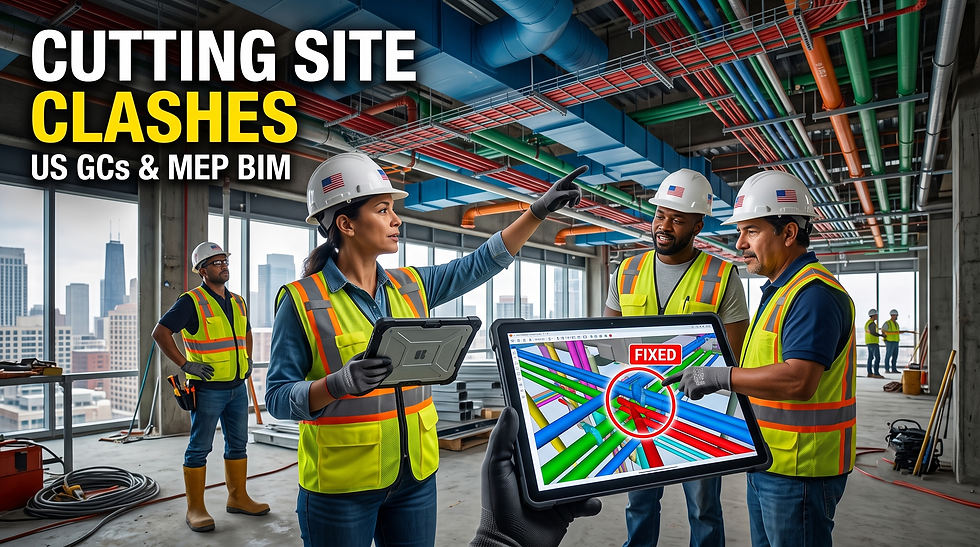
Design clashes and structural inconsistencies are reduced, as well as workflow conflicts, because the digital twin reveals potential issues much earlier within the process.
Digital Twins During Construction: Real-Time Accuracy and Control
Construction sites are often unpredictable; a Digital Twin BIM provides clarity and control.
There are online platforms such as Bentley's iTwin technology, that helps construction teams having real-time project synchronization and precise digital twin updates.
How it helps:
✔ Track your progress in real-time
IoT data lets teams map planned timelines against actual on-site progress, making the elimination of delays and improvements in forecast accuracy much easier.
✔ Material & Equipment Monitoring
Digital twins monitor the usage and condition of construction equipment, which reduces downtimes and scheduling conflicts.
✔ Improved Collaboration
Cloud platforms enable architects, engineers, contractors, and owners to work from the same updated information; hence, no gaps in communication take place.
Digital Twins for Facility Management: The Real Game-Changer
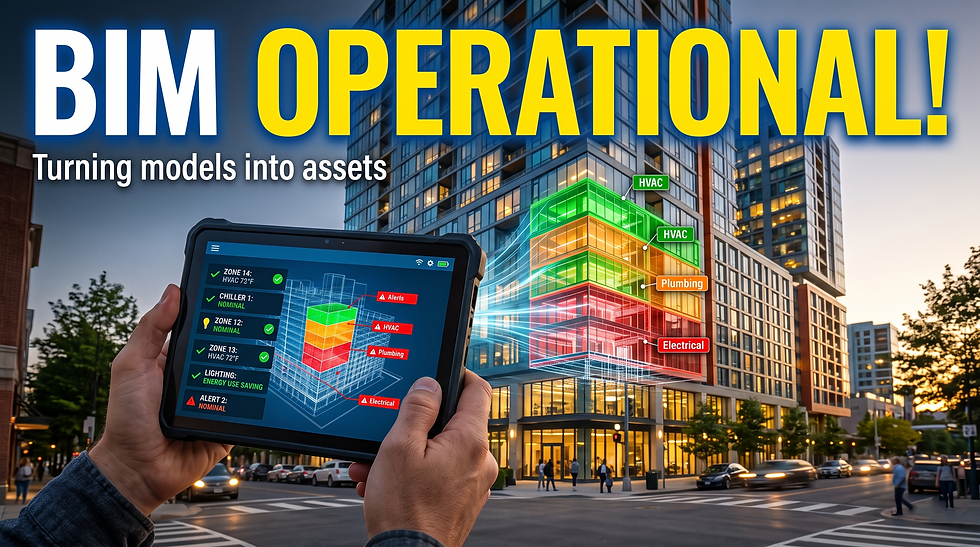
This becomes an effective tool for facility managers once the building is up and running.
Key benefits:
Predictive Maintenance
Sensors predict equipment failure in advance and, therefore, reduce repair costs.
Energy Optimization
Historical and real-time data help in adjustments of HVAC, lighting, and utilities that reduce consumption.
Improved Safety & Security
Smart building technology monitors emergency systems, access controls, and environmental factors.
Long-Term Asset Management
Facility teams use digital twins to plan upgrades, monitor lifecycle costs, and optimize ROI.
This is where the digital twin BIM really shines in generating long-term value.

Digital Twin BIM: The Future of Construction Technology
The integration of digital twin technology with BIM is going to be the next frontier in BIM future technology. Machine learning, AR/VR, and automated workflows are under development in emerging tools.
These could include the following:
AI-driven simulations for structural performance
AR-enabled construction inspections
Automated digital twin updates with drones and laser scanning
Full lifecycle modeling from concept to demolition
Smart city integration involves interaction between buildings and urban infrastructures.
This will redefine how we manage the entire built ecosystem.
How BIM and Digital Twins Work Together
BIM supplies the base components, geometry, and documentation. Digital twins add intelligence, interactivity, and real-time syncing.
BIM + Digital Twin =
3D + real-time data
Design + performance insights
Documents + predictive analytics
Plans + operational efficiencies
It also facilitates better decision-making, limits risks, and allows for proactive project management throughout all the phases of the project life cycle.
Industries Benefiting from Digital Twin BIM
1. Commercial Buildings
Monitor energy usage, occupancy, and maintenance cycles.
2. Healthcare Facilities
Track equipment health, patient flow, and environmental data.
3. Manufacturing Plants
Oversee the machinery, production line, and space utilization.
4. Infrastructure Projects
These life cycle models are useful for railways, airports, bridges, and utilities.
5. Smart Cities
The concept of digital twins helps in creating connected systems for traffic, transit, and public safety.
Smart Building Technology and Digital Twin BIM
With the rapid growth of IoT and smart building technology, digital twins have also become more accessible.
Environmental sensors
Intelligent lighting systems
Energy meters
Connected HVAC units
Building automation platforms
Real-time optimization, made possible by the constant feedback of these systems, now goes to the digital twin.
Esri offers amazing insights into how geospatial lintellilgence helps building digital twins and smart facility operations.

Challenges in Adapting Digital Twin BIM
Powerful as this technology is, several challenges come with it:
✔ High Initial Investment
Sensors, cloud systems, and integration need capital.
✔ Data Management Complexity
Large volumes of data require competent analytics systems.
✔ Skill Gaps
AEC teams need training in digital workflows, data analytics, and IoT setups.
✔ Interoperability Issues
Different platforms of software must cooperate.
One can opt for NIST's guidelines, which are best to implement digital twin ecosystems.
Best Practices for Successful Digital Twin BIM Adoption
Start with detailed BIM models
Integrate IoT devices early
Establish a centralized data environment
Use open standards that allow interoperability
Train teams on digital workflows
Develop SOPs for lifecycle management
Ensure the cybersecurity of all building data
These are steps that an organization may implement in order to maximize the effect of digital twinning.
To get help with openBIM frameworks and interoperability, buildingSMART International gives you globally recognized standards which helps seamless digital twin adoption.
The Future Outlook: A Connected, Data-Driven Construction Industry
The digital twin BIM is a revolution, not a fad. As AEC firms go for smarter decisions, predictive analytics, and optimized performance, the idea of a digital twin will be at the forefront of such evolution.
Moreover, buildings will no longer be static; they will turn into intelligent assets, which, over time, will communicate, adapt, and evolve.

Conclusion
With the introduction of digital twin BIM, a new frontier in building design and management is foreseen, characterized by improved data quality, automation, and real-time insight.
The incorporation of BIM and digital twin at every design step, right from long-term operation, thus enables the industry to work smarter, safer, faster, and more sustainably.
As construction innovation accelerates, the use of this technology has stopped being optional and will be key to a future-ready AEC firms.
Have a project in mind? Contact us today and let’s build a better world together!


Comments