Integrating CAD and BIM for Better Project Outcomes
- PV Digital

- Aug 4, 2025
- 4 min read
In the world of architecture, engineering, and construction, the integration of CAD and BIM technologies is transforming how projects are designed, managed, and executed. Combining these two powerful tools leads to improved accuracy, collaboration, and efficiency throughout the project lifecycle. This article explores the benefits of integrating CAD and BIM, practical ways to implement this integration, and how it can lead to better project outcomes.
Understanding the Role of CAD and BIM in Modern Projects
Computer-Aided Design (CAD) and Building Information Modeling (BIM) are both essential technologies in the construction and design industries. CAD primarily focuses on creating detailed 2D and 3D drawings, while BIM offers a more comprehensive approach by incorporating data-rich 3D models that represent physical and functional characteristics of a building.
Integrating CAD and BIM allows teams to leverage the strengths of both systems. CAD provides precise geometric details, while BIM adds layers of information such as materials, costs, schedules, and maintenance data. This integration helps reduce errors, improve communication, and streamline workflows.

How CAD and BIM Integration Enhances Project Efficiency
When CAD and BIM are used together, project teams can experience several key benefits:
Improved Collaboration: BIM models serve as a central hub where architects, engineers, and contractors can share and update information in real time. CAD drawings can be imported into BIM software, ensuring everyone works from the latest designs.
Reduced Rework: By detecting clashes and inconsistencies early in the design phase, integration minimizes costly changes during construction.
Better Visualization: BIM’s 3D models combined with CAD’s detailed drawings provide stakeholders with clear visualizations, aiding decision-making and client presentations.
Streamlined Documentation: Automated extraction of plans, sections, and schedules from BIM models reduces manual drafting time.
Enhanced Project Management: BIM’s data-rich environment supports cost estimation, scheduling, and facility management, making project delivery more predictable.
To maximize these benefits, teams should adopt workflows that allow seamless data exchange between CAD and BIM platforms. This often involves using compatible file formats and ensuring team members are trained in both technologies.

What are BIM and CAD services?
BIM and CAD services encompass a range of professional offerings that support the design, planning, and construction of buildings and infrastructure. These services include:
CAD Drafting and Detailing: Creating precise 2D and 3D drawings for architectural, structural, and MEP (mechanical, electrical, plumbing) systems.
BIM Modeling: Developing intelligent 3D models that integrate geometry with data about materials, quantities, and schedules.
Clash Detection and Coordination: Using BIM to identify and resolve conflicts between different building systems before construction.
Quantity Takeoff and Cost Estimation: Extracting accurate material quantities from BIM models to support budgeting.
Facility Management Support: Providing BIM data for ongoing building maintenance and operations.
Many firms offer specialized cad and bim services to help clients leverage these technologies effectively. These services can be tailored to project needs, whether for new construction, renovation, or infrastructure projects.

Practical Steps to Integrate CAD and BIM in Your Workflow
Successfully integrating CAD and BIM requires a strategic approach. Here are actionable recommendations:
Assess Your Current Tools and Processes
Evaluate the CAD and BIM software your team uses. Identify compatibility issues and opportunities for integration.
Standardize File Formats and Data Exchange
Use industry-standard formats like IFC (Industry Foundation Classes) to facilitate smooth data transfer between CAD and BIM platforms.
Train Your Team
Invest in training to ensure all team members understand both CAD and BIM workflows and how to collaborate effectively.
Implement Collaborative Platforms
Use cloud-based collaboration tools that allow real-time updates and version control for CAD and BIM files.
Start with Pilot Projects
Test integration on smaller projects to refine workflows and address challenges before scaling up.
Leverage Expert Services
Consider partnering with providers of specialized cad and bim services to accelerate adoption and improve quality.
By following these steps, organizations can reduce errors, improve communication, and deliver projects on time and within budget.
Future Trends in CAD and BIM Integration
The integration of CAD and BIM is evolving rapidly with advancements in technology. Some emerging trends include:
Artificial Intelligence and Machine Learning: AI-powered tools can automate clash detection, optimize designs, and predict project risks.
Augmented Reality (AR) and Virtual Reality (VR): These technologies enable immersive visualization of BIM models on-site, improving understanding and collaboration.
Cloud Computing: Cloud platforms facilitate seamless access to CAD and BIM data from anywhere, supporting remote work and global teams.
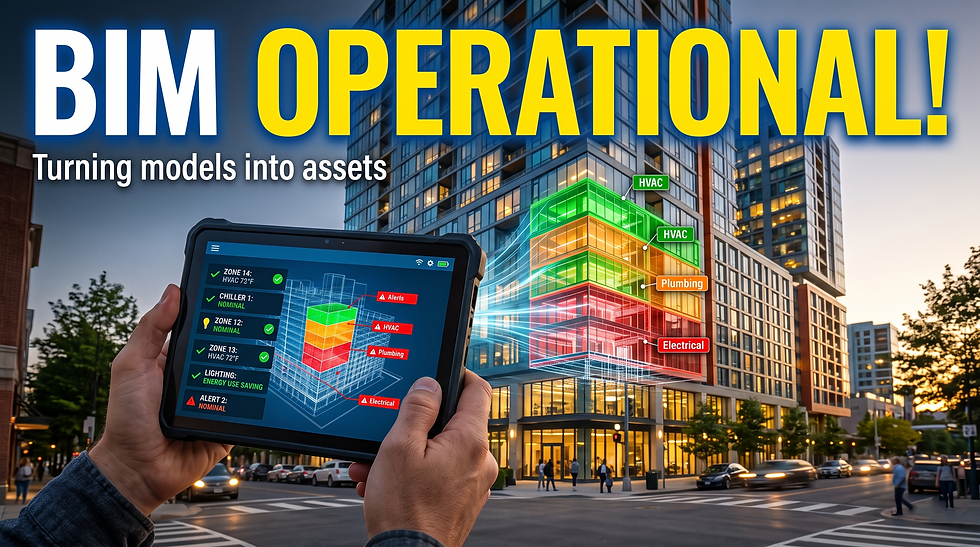
IoT Integration: Sensors embedded in buildings can feed real-time data into BIM models for smarter facility management.
Generative Design: Algorithms can generate multiple design options based on project goals, integrating CAD precision with BIM intelligence.
Staying informed about these trends and adopting relevant technologies will help organizations maintain a competitive edge and achieve better project outcomes.
Enhancing Project Success with Integrated CAD and BIM
Integrating CAD and BIM is no longer optional but essential for modern construction projects. This integration fosters collaboration, reduces errors, and enhances visualization, leading to more efficient and successful project delivery. By understanding the roles of CAD and BIM, leveraging professional services, and adopting best practices, teams can unlock the full potential of these technologies.
Embracing this integrated approach will not only improve current projects but also prepare organizations for the future of design and construction innovation.


Comments