Innovative Approaches to Tailored Engineering Solutions
- Marketing PrimaVerse
- Apr 27
- 4 min read

In today’s fast-paced world, engineering challenges demand more than traditional methods. The complexity of modern projects requires innovative approaches that are both efficient and adaptable. I have witnessed firsthand how tailored engineering solutions can transform a project from a mere concept into a groundbreaking reality. But what exactly makes these approaches stand out? Let’s explore the strategies and technologies that are reshaping the engineering landscape.
Embracing Tailored Engineering Solutions for Complex Projects
Every project is unique, and so should be the approach to solving its challenges. Tailored engineering solutions focus on customizing methods and tools to fit the specific needs of a project rather than applying generic fixes. This mindset is crucial when dealing with diverse industries such as civil design, mechanical engineering, and manufacturing.
For example, in civil engineering, soil conditions vary drastically from one site to another. A one-size-fits-all foundation design might lead to costly failures. Instead, engineers now use advanced geotechnical analysis combined with adaptive design software to create foundations that respond to local conditions. This not only improves safety but also optimizes material use and reduces costs.
Similarly, in mechanical design, the integration of modular components allows for rapid prototyping and easier customization. This approach accelerates development cycles and enables quick adjustments based on client feedback or changing requirements.
By focusing on tailored solutions, firms can deliver projects that are more resilient, cost-effective, and aligned with client goals.

Leveraging Digital Tools to Enhance Engineering Precision
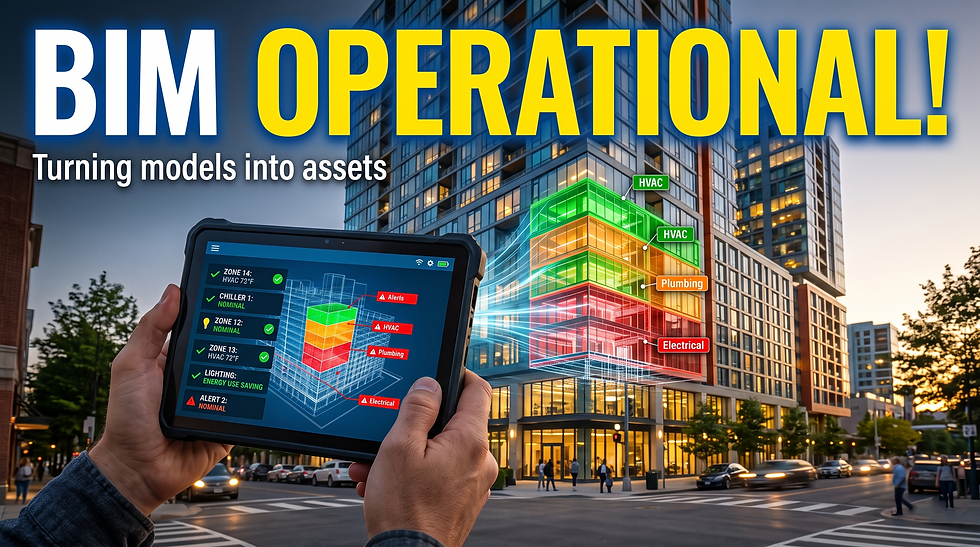
The digital revolution has opened new doors for engineering innovation. Tools like CAD drafting and BIM modeling have become indispensable in creating detailed, accurate designs that minimize errors and streamline collaboration.
CAD (Computer-Aided Design) software allows engineers to create precise 2D and 3D models of components and structures. This precision reduces the risk of costly mistakes during manufacturing or construction. BIM (Building Information Modeling) takes this a step further by integrating data about materials, timelines, and costs into a single model. This holistic view helps teams anticipate challenges and optimize workflows.
One practical example is the use of BIM in large infrastructure projects. By simulating the entire construction process digitally, teams can identify potential clashes between systems, such as plumbing and electrical conduits, before breaking ground. This proactive approach saves time and money.
Moreover, cloud-based collaboration platforms enable real-time updates and communication among stakeholders across continents. This connectivity is vital for global projects where design firms and manufacturers must work seamlessly together.

Integrating Sustainable Practices into Engineering Designs
Sustainability is no longer optional; it is a necessity. Innovative engineering solutions increasingly incorporate eco-friendly materials and energy-efficient designs to reduce environmental impact.
For instance, in mechanical engineering, the use of lightweight composites can reduce energy consumption in transportation applications. These materials maintain strength while lowering weight, leading to better fuel efficiency.
In civil projects, green building standards encourage the use of renewable energy sources, water recycling systems, and natural ventilation. Engineers are now designing buildings that not only meet regulatory requirements but also contribute positively to their surroundings.
One compelling example is the integration of solar panels into building facades. This dual-purpose design provides shade while generating clean energy, demonstrating how innovation can serve multiple functions simultaneously.
By embedding sustainability into the core of engineering solutions, we create projects that are future-proof and socially responsible.
The Role of Automation and AI in Modern Engineering
Automation and artificial intelligence (AI) are revolutionizing how we approach engineering problems. These technologies enable faster data analysis, predictive maintenance, and even autonomous design generation.
Consider the use of AI algorithms to optimize structural designs. By inputting parameters such as load, material properties, and cost constraints, AI can generate multiple design options that meet or exceed performance criteria. This accelerates decision-making and uncovers solutions that might not be obvious through manual calculations.
Automation also plays a critical role in manufacturing. Robotics can handle repetitive tasks with high precision, reducing human error and increasing productivity. In design firms, automated drafting tools can generate detailed drawings from 3D models, freeing engineers to focus on creative problem-solving.
However, the key to success lies in integrating these technologies thoughtfully. Automation should augment human expertise, not replace it. By combining AI’s computational power with engineers’ creativity and experience, we unlock new levels of innovation.
Building Resilience Through Collaborative Engineering Networks
No engineer works in isolation. Complex projects require input from multiple disciplines and stakeholders. Building resilient networks of collaboration is essential for delivering successful outcomes.
Digital platforms now facilitate seamless communication between civil and mechanical design firms, AEC companies, and manufacturers worldwide. These networks enable sharing of data, feedback, and updates in real time, reducing misunderstandings and delays.
Moreover, collaborative environments foster innovation by bringing diverse perspectives together. When experts from different fields brainstorm solutions, they often discover novel approaches that a single discipline might overlook.
For example, a mechanical engineer working closely with a civil engineer can design infrastructure components that are easier to manufacture and install, saving time and resources.
To build these networks effectively, firms should invest in:
Standardized data formats for easy exchange
Cloud-based project management tools
Regular interdisciplinary workshops and training
Such practices ensure that all parties remain aligned and responsive throughout the project lifecycle.
Looking Ahead: The Future of Tailored Engineering Solutions
As technology evolves, so will the methods we use to solve engineering challenges. The future promises even greater integration of digital tools, sustainable materials, and AI-driven design.
Imagine a world where virtual reality allows engineers to walk through a project before it is built, identifying issues and making adjustments instantly. Or where smart sensors embedded in structures provide continuous health monitoring, enabling proactive maintenance.
The key to thriving in this future is adaptability. Firms that embrace tailored engineering solutions and invest in innovation will lead the way. They will deliver projects that are not only technically sound but also economically viable and environmentally responsible.
By staying curious and open to new ideas, we can continue to push the boundaries of what engineering can achieve.
Innovative engineering is more than just applying new tools; it’s about rethinking how we approach problems. Tailored solutions, digital precision, sustainability, automation, and collaboration form the pillars of this transformation. Together, they empower us to create structures and systems that meet today’s demands and anticipate tomorrow’s challenges.
For those seeking to elevate their projects, exploring engineering solutions that combine these elements is a strategic move toward success.


Comments