Innovative Approaches to Custom Fabrication
Custom fabrication is revolutionizing the manufacturing landscape with its innovative techniques and tailored solutions. Industries ranging from aerospace to consumer goods increasingly rely on custom fabricators to meet their specific design and functionality needs. In this blog post, we will explore various innovative approaches to custom fabrication that drive efficiency, sustainability, and creativity.
Understanding Custom Fabrication
Custom fabrication refers to the process of creating unique products or components that are specifically designed to meet the needs of clients. It involves a variety of techniques such as machining, welding, 3D printing, and assembly. Rather than mass-producing uniform items, custom fabrication delivers precisely what customers require, enhancing operational efficiencies and product functionality.
This approach is particularly beneficial in industries where standard solutions fail to meet the rigorous requirements of specialized applications. For instance, companies in the medical field may need custom prosthetic devices tailored to individual patients, while those in manufacturing may require specific tools or machines that cannot be sourced off the shelf.

Innovative Techniques in Custom Fabrication
Several innovative techniques are pushing the boundaries of custom fabrication. Each method contributes to improving product quality, reducing waste, and shortening lead times.
3D Printing: Revolutionizing Custom Fabrication
3D printing, or additive manufacturing, has transformed custom fabrication by allowing for rapid prototyping and production. This technique enables designers to create complex geometries that would be impossible with traditional fabrication methods.
For example, aerospace companies use 3D printing to produce lightweight, intricately designed parts that improve fuel efficiency. The technology also minimizes material waste, as it builds products layer by layer, using only what is necessary for each component.

CNC Machining: Precision at Its Best
Computer Numerical Control (CNC) machining is another innovative approach that offers high precision in custom fabrication. This technology uses computer programs to control machinery, resulting in parts made to exact specifications.
CNC machining is preferred in industries like automotive and aerospace, where precision is critical. By using CNC machines, manufacturers can produce complex shapes and components efficiently while maintaining consistency and accuracy.
Laser Cutting: Efficiency Meets Detail
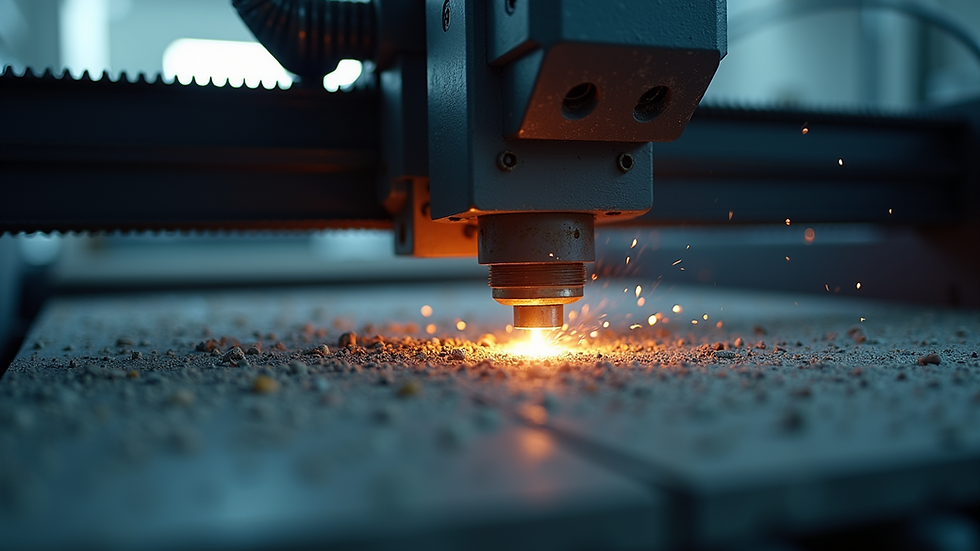
Laser cutting technology has become a staple in custom fabrication, providing efficient and detailed cutting solutions for various materials, including metals, plastics, and wood. Lasers can achieve intricate cuts and designs that manual processes would struggle to replicate.
This method is particularly advantageous for creating prototypes quickly. For instance, when designing a unique kitchen gadget, a laser cutter allows designers to produce various versions for testing without the extensive setup often required by traditional cutting methods.
Sustainability in Custom Fabrication
As industries face increasing pressure to adopt eco-friendly practices, custom fabrication is evolving to meet these demands. Innovative approaches to sustainability are being implemented to minimize waste and carbon footprints.
Material Selection and Sourcing
Choosing sustainable materials is a vital aspect of eco-friendly custom fabrication. Many companies are now turning to recycled metals, bioplastics, and sustainable woods to reduce their environmental impact. Moreover, sourcing materials locally can further decrease transportation emissions.
Waste Reduction Strategies
Innovative custom fabricators are exploring waste reduction strategies. Techniques such as digital fabrication help minimize excess materials by optimizing designs through computer software. Furthermore, using techniques like nesting in CNC machining can significantly reduce scrap material.
The Role of Technology in Custom Fabrication
Technology plays a transformative role in custom fabrication, providing tools that enhance design, production, and delivery.
Collaboration Software
Modern custom fabrication often involves complex collaborations between designers, engineers, and clients. Utilizing collaborative software allows teams to share ideas and iterations in real-time, improving communication and speeding up the design process.
Automation and Robotics
Introducing automation and robotics into custom fabrication can streamline operations significantly. Automated systems can handle repetitive tasks, allowing skilled workers to focus on more intricate aspects of fabrication. This boosts productivity and often results in higher-quality outputs.
Future Trends in Custom Fabrication
The future of custom fabrication is bright, with various trends poised to redefine the industry. Some of these trends include:
Artificial Intelligence and Machine Learning
AI and machine learning are making their way into custom fabrication by providing insights into production processes and design enhancements. These technologies can predict maintenance needs, analyze data for efficiency improvements, and automate routine tasks, all of which help custom fabricators optimize their operations.
Increased Personalization
As consumer demands for personalized products rise, custom fabrication will likely pivot towards even greater customization capabilities. Technologies like 3D printing combined with data-driven design will empower consumers to create products tailored to their preferences.
Exploring New Frontiers
Custom fabrication solutions are paving the way for exciting advancements in various industries. By adopting innovative methods and embracing technology, businesses can craft products that meet specific needs while prioritizing efficiency and sustainability.
In a world where customization is becoming the norm rather than the exception, the importance of innovative custom fabrication cannot be overstated. The drive towards creativity, efficiency, and environmental responsibility reflects an industry in constant evolution.
The robust capabilities of custom fabrication ensure that companies can not only respond to current market demands but also anticipate future needs. As we move forward, staying informed about the latest techniques and technologies will be crucial for any business looking to thrive in the competitive custom fabrication landscape.
As you consider your own manufacturing or design needs, exploring the various custom fabrication solutions available could be the key to unlocking new potentials in product development and operational excellence.


Comments