Scan to BIM: How 3D Laser Scanning is Transforming Construction
- yogesh46
- May 20, 2025
- 4 min read

The building sector is experiencing a huge digital transformation, fueled by the implementation of advanced technologies. Among the most groundbreaking processes leading to this revolution is Scan to BIM. Through the integration of 3D laser scanning with Building Information Modeling (BIM), experts can now establish accurate, data-rich digital models of physical structures.
It is transforming the way construction, renovation, and facility management projects are carried out, and making Scan to BIM unavoidable for architects, engineers, contractors, and asset managers.
What is Scan to BIM?
Scan to BIM is a workflow that translates real-world building information—gathered through 3D laser scanners—into smart BIM models. The models create a very accurate digital representation of an existing building, allowing for accurate documentation, planning, and designing. This process not only saves time but also increases accuracy, decreasing the risks and rework typically encountered in conventional construction workflows.
From historic buildings that need to be renovated to commercial buildings that need to be modernized, Scan to BIM software becomes the key player in generating models that can be used across platforms such as Revit, one of the leading BIM applications in the AEC sector.
How 3D Laser Scanning Works in Construction
3D laser scanning is the process of utilizing sophisticated LiDAR technology to record millions of measurement points, which creates a point cloud. The point cloud is subsequently analyzed by Scan to BIM software to create an accurate Building Information Model. These models enable teams to analyze, simulate, and visualize every aspect of the building with unprecedented accuracy.
By translating the laser scan information into a Revit-based model, squads can effectively evaluate structural conditions, organize retrofits, and enable digital construction practices that are compatible with current industry standards.
Key Benefits of Scan to BIM in the AEC Industry
Enhanced Accuracy and Detail
Scan to BIM provides unparalleled accuracy with fewer human errors. It digitizes existing conditions with millimeter accuracy, resulting in much better documentation quality. Experts can trust the information for accurate measurements without guesswork, and ensuring design integrity from the beginning.
Faster Project Timelines & Cost Reduction
Conventional surveying techniques are labor-intensive and inaccurate. The construction schedule is shortened with 3D laser scanning using quicker data collection and model building. Less design mistake translates into less material waste and rework, which means significant cost savings.
Clash Detection and Reduced Risks
Employing Scan to BIM models, experts are able to do thorough clash detection in the initial planning stage. This is particularly useful for complicated renovation and infrastructure projects, where spatial conflict detection prior to construction can avoid delays and monetary losses.
Efficient Renovation & Heritage Restoration
Scan to BIM is especially useful in restoration works of heritage buildings. Through accurate BIM modeling from laser scanning, groups are able to create designs that retain historic details while maintaining safety structurally. Utilization of such tools as Revit allows documentation and simulation of change in design without compromising the building's historical aesthetics.
Integration with Digital Twins and Smart Cities
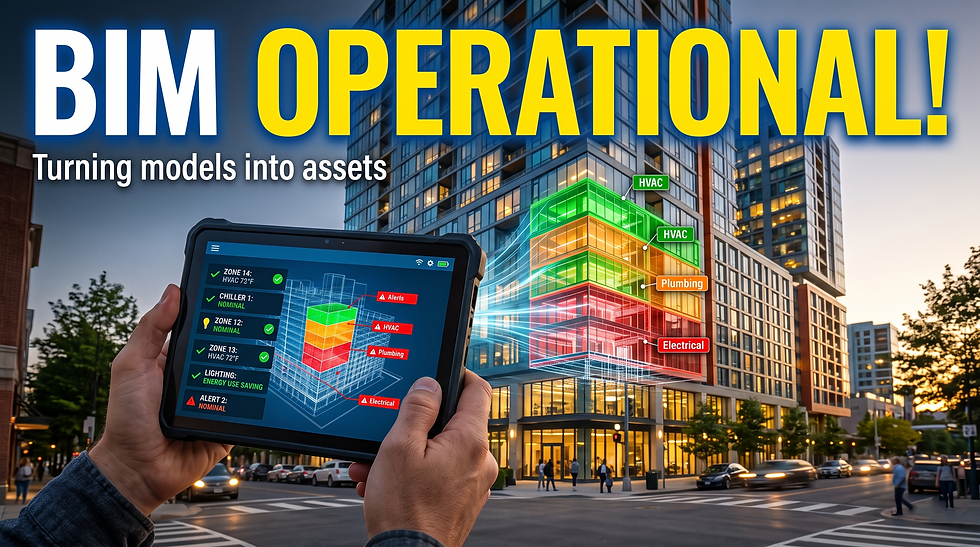
As urban development evolves, Scan to BIM plays a foundational role in creating digital twins—real-time digital replicas of physical assets. These models are essential for smart city planning, allowing for real-time monitoring, predictive maintenance, and smarter decision-making for infrastructure development.
Improved Collaboration and Workflow Efficiency
Building Information Modeling is a collaborative process, and Scan to BIM software enhances it by ensuring that accurate, real-world data is accessible to all project stakeholders. With cloud-based platforms and tools like Revit, teams can share models, track changes, and coordinate seamlessly, no matter where they’re located.
Top Applications of Scan to BIM Across the Construction Lifecycle
As-built documentation
MEP coordination and retrofitting
Facility and asset management
Construction validation and QA/QC
Historic preservation and structural analysis
From initial site surveys to long-term building maintenance, Scan to BIM is proving invaluable throughout the entire lifecycle of a structure.
Read More: How is BIM Used in Urban Planning in 2025?
Future of Scan to BIM in the Construction Industry
The future of Scan to BIM is closely tied to the evolution of AI, IoT, and cloud computing. Automated workflows are making point cloud to BIM conversions faster and more accessible. AI-driven Scan to BIM software is being used to identify structural elements and automate model generation, saving time and labor costs.
With platforms like Revit becoming more robust, integrating scanned data with BIM is now more seamless than ever. Additionally, the focus on sustainability in construction is growing. By enabling precise planning and minimizing material waste, 3D laser scanning in construction supports green building initiatives and LEED certification goals.
The rise of digital construction means that demand for professionals skilled in Scan to BIM, Building Information Modeling, and laser scanning will continue to grow. Organizations that invest in this technology are better equipped to meet future challenges while delivering higher value to their clients.
Conclusion
Scan to BIM is more than just a technological upgrade—it’s a paradigm shift in how construction projects are planned, executed, and maintained. With its ability to provide unparalleled accuracy, streamline workflows, and facilitate intelligent decision-making, Scan to BIM is setting a new standard in the AEC industry.
Whether you're restoring a historic building or managing a complex commercial project, adopting Scan to BIM software and tools like Revit can be the difference between project success and failure. As the digital transformation in construction continues, now is the time to embrace Building Information Modeling and elevate your construction practices for the future.
Stay tuned with PrimaVerse as we share current insights and trends in the engineering industry, including the latest in generative design. Have a project in mind? Contact us today and let’s build a better world together!


Comments